

A Weekly Home Workout Schedule That Fits a Busy Life
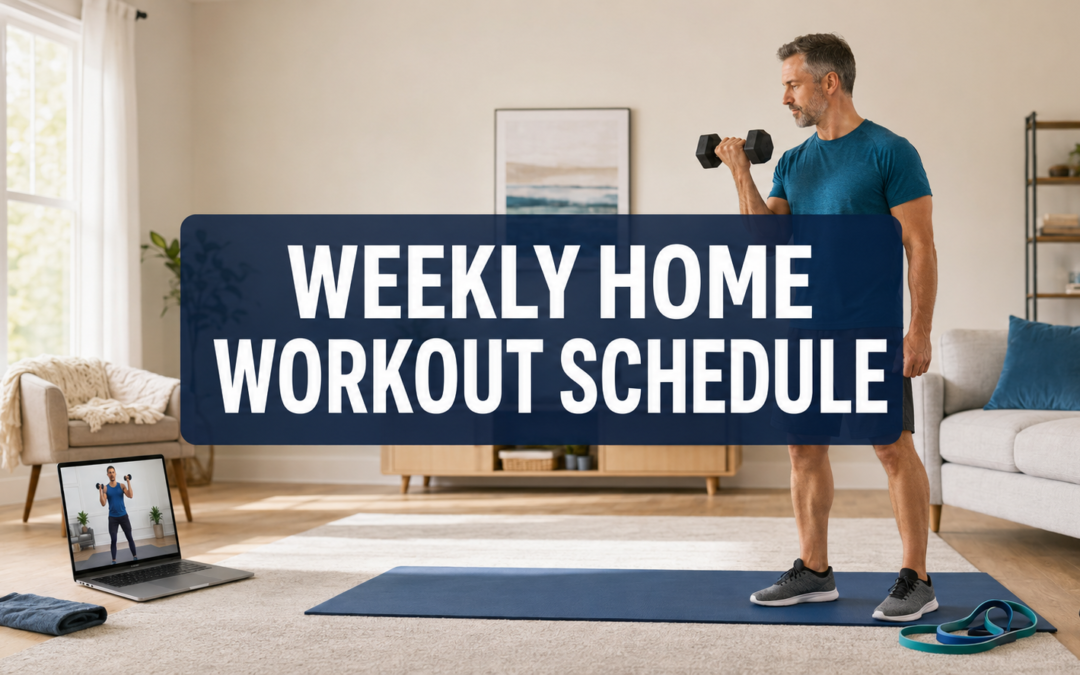
Finding time to exercise can be challenging, but an effective fitness routine does not require daily trips to the gym. A simple weekly home workout schedule can help you improve your strength, endurance, and mobility without disrupting your entire day.
Whether you follow online workouts, use basic exercise equipment, or prefer bodyweight movements, the most important step is creating a realistic schedule you can maintain.
Without a plan, it is easy to postpone a workout until tomorrow. A weekly schedule removes some of that uncertainty by helping you decide in advance when and how you will exercise.
Your plan does not need to be complicated. It should simply include a balance of:
- Strength training
- Cardiovascular exercise
- Mobility and flexibility
- Recovery
Knowing what you will do each day also makes it easier to choose an appropriate online class or prepare the equipment you need before your workout begins.
A Simple Weekly Home Workout Plan
This sample schedule includes five active days and two recovery days. You can adjust the workout length, difficulty, and exercises to match your current fitness level.
Monday: Full-Body Strength
Begin the week with a workout that targets the major muscle groups.
Your workout might include:
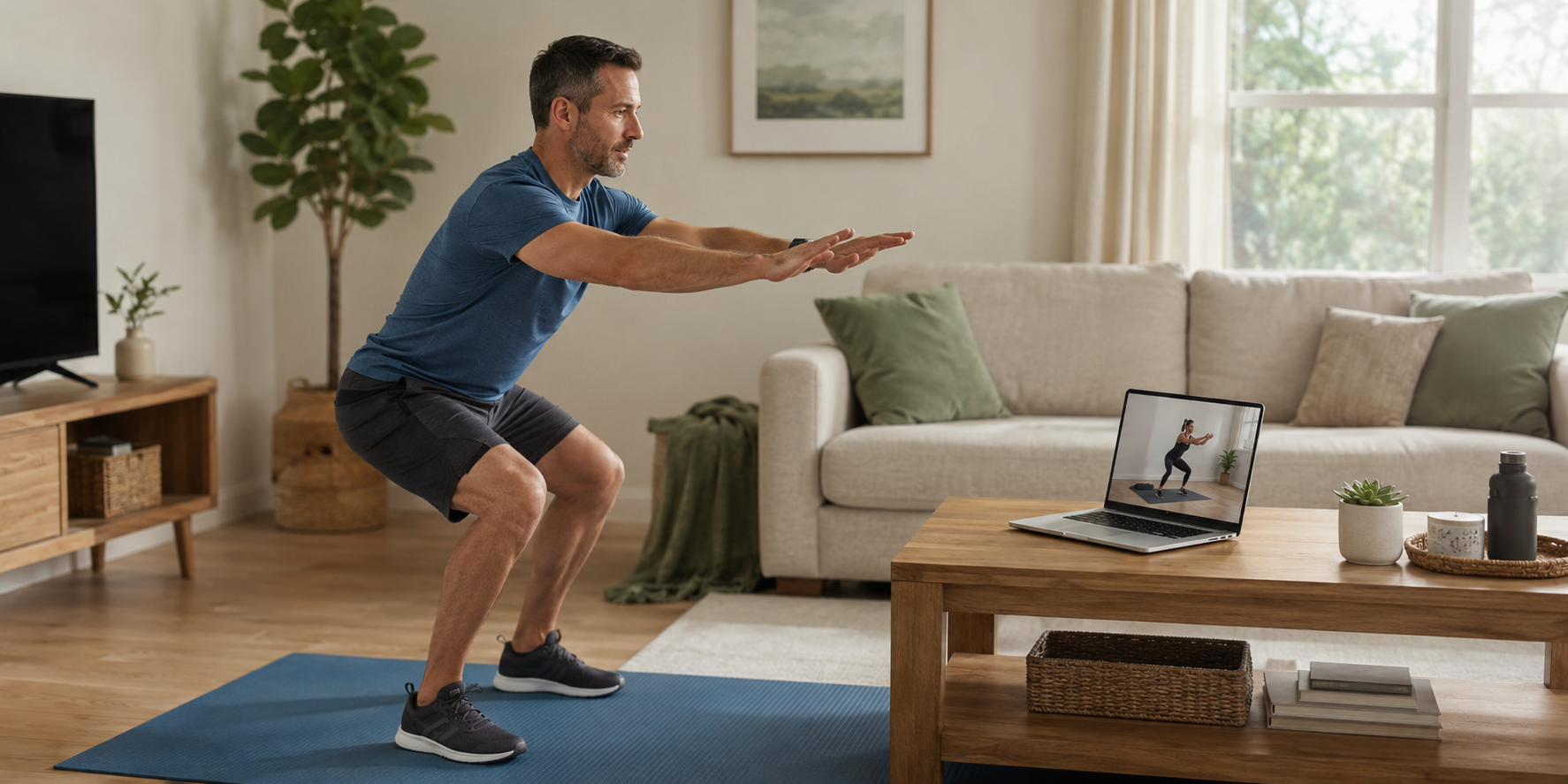
- Bodyweight squats
- Wall, knee, or standard push-ups
- Dumbbell rows
- Glute bridges
- Shoulder presses
- Planks
Complete two or three rounds using a controlled pace. If you are following an online workout, look for a beginner-friendly full-body strength class.
Tuesday: Cardio
Choose an activity that increases your heart rate while still allowing you to maintain good form.
Home cardio options include:
- Walking on a treadmill
- Using a rower, elliptical, or stationary bike
- Marching or jogging in place
- Step-ups
- Low-impact aerobics
- An online dance or cardio class
Aim for approximately 20 to 30 minutes. Beginners can alternate short periods of activity with slower recovery periods.
Wednesday: Mobility and Active Recovery
Recovery days do not necessarily mean doing nothing. Light movement can help you stay active without placing the same demands on your body as a harder workout.
Try:
- Gentle stretching
- Beginner yoga
- Mobility exercises
- An easy walk
- Light foam rolling
This is also a good day to check how your body feels and adjust the rest of your weekly home workout schedule if necessary.
Thursday: Lower-Body Strength
Focus on the legs, hips, and glutes.
Possible exercises include:
- Squats
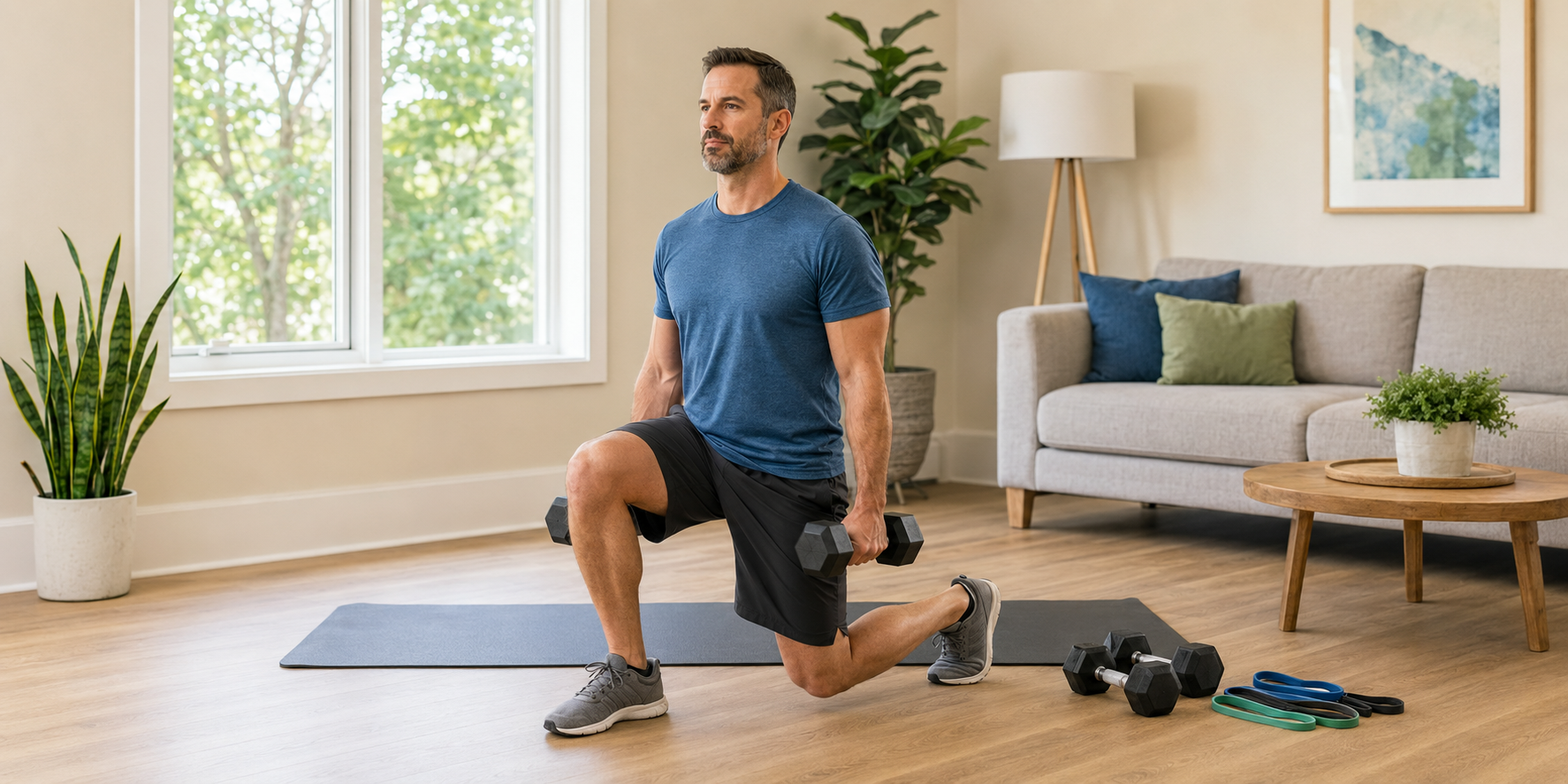
- Reverse lunges
- Step-ups
- Glute bridges
- Calf raises
- Side leg lifts
Use a stable chair or wall for balance when needed. Dumbbells or resistance bands can be added when bodyweight exercises become too easy.
FEATURED VIDEO – Why you should warm-up and stretch properly.
Friday: Upper Body and Core
Finish the workweek with exercises for your chest, back, shoulders, arms, and midsection.
Consider including:
- Incline or standard push-ups
- Dumbbell rows
- Shoulder presses
- Biceps curls
- Bird dogs
- Dead bugs
- Side planks
Choose a resistance level that allows you to complete each movement with proper form.
Saturday: Choose an Online Workout You Enjoy
Saturday can be your flexible workout day. Select an activity that feels enjoyable rather than following a rigid routine.
You might try:
- Online kickboxing
- Pilates
- Dance fitness
- Interval training
- Indoor cycling
- A longer full-body workout
Online workouts are available in many lengths and difficulty levels, making it easy to choose an option that fits your energy and schedule.
Sunday: Rest and Prepare
Take a full rest day or enjoy a gentle walk. Use a few minutes to plan the upcoming week, select your online classes, and place scheduled workouts on your calendar.
How Long Should Your Home Workouts Be?
You do not need to exercise for an hour every day to make your routine worthwhile. A focused 20- or 30-minute workout may be easier to complete consistently than a longer session.
If your schedule is especially busy, divide your activity into shorter sessions. For example, you could walk for 10 minutes in the morning and complete 15 minutes of strength training later in the day.
Choose a workout length that you can realistically repeat each week.
What Equipment Do You Need?
Many home workouts require little or no equipment. A basic setup might include:
- Exercise mat
- One or two pairs of dumbbells
- Resistance bands
- Stable chair or bench
- Water bottle
- Supportive athletic shoes
Cardio equipment such as a treadmill, rower, bike, or elliptical can provide more options, but it is not required. Bodyweight movements and online classes can still provide a challenging workout.
Tips for Staying Consistent
The most effective weekly home workout schedule is one that works with your lifestyle.
Start by scheduling your workouts at times when interruptions are less likely. Prepare your clothing and equipment beforehand, and save your favorite online classes so you do not spend your workout time searching for a video.
It can also help to track completed workouts. Seeing your progress on a calendar provides a simple reminder that consistency is built one workout at a time.
If you miss a day, continue with your schedule instead of trying to make up everything at once. One missed workout does not erase the progress you have already made.
Build a Routine You Can Maintain
Exercising at home gives you the freedom to adapt your routine to your schedule, fitness level, and available equipment. Start with manageable workouts, allow time for recovery, and gradually increase the challenge as your strength and endurance improve.
A weekly home workout schedule provides structure without requiring perfection. The goal is to create a routine that keeps you moving and can become a lasting part of your life.
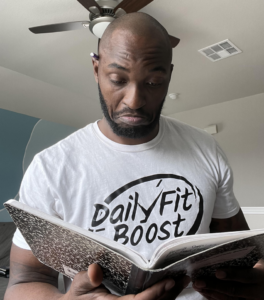
Most people don’t struggle because they lack information, they struggle because maintaining consistency is hard when life gets busy.
That’s why I created the Daily Fit Club using the Skool platform
Inside, you’ll find practical fitness advice, accountability, encouragement, and a growing group of people working toward the same goal: building healthier habits that actually fit into real life. Whether you’re looking to move better, improve your energy, lose weight, build strength, or simply stay on track, you’ll have access to resources and support designed to help you make steady progress without feeling overwhelmed.
If you’re tired of starting over and want a simpler, more sustainable approach to fitness, we’d love for you to join us.